

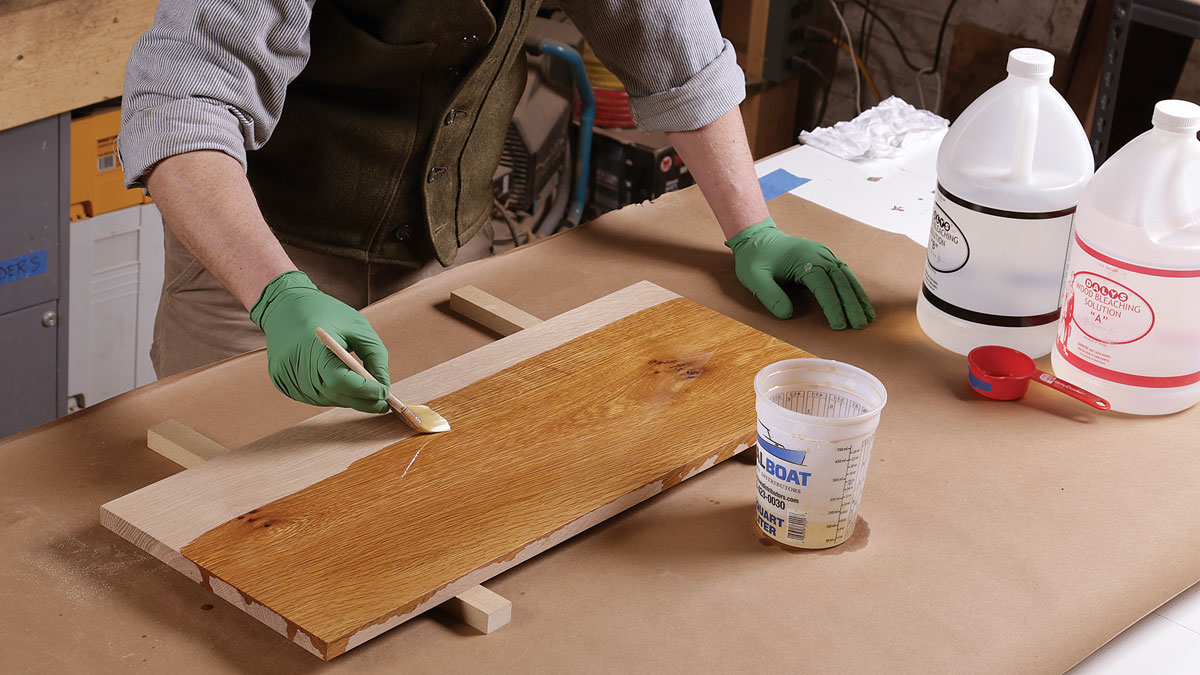
Australian timbers vary widely in colour, density and tannin content. A bleach that works well on pale pine can leave dense hardwood patchy or barely changed. Before you buy a product such as litenit wood bleach work out what you want to remove and which timber you are treating.
Wood bleaches fall into three main groups. Chlorine bleach removes dyes and some stains but has little effect on the natural colour of the wood. Oxalic acid targets iron marks, water stains and grey weathering. Two-part bleaches, usually sodium hydroxide followed by hydrogen peroxide, lighten the natural colour of the timber itself. Most products, including litenit wood bleach, fit into one of these categories, so check the label for the active ingredient.
Match the chemistry to the problem first, then to the species. If a deck has turned black around nail heads, you need oxalic acid. If you want to lighten a dark tabletop, choose a two-part formula. Using litenit wood bleach or any similar product without this step often wastes time and money.
Jarrah
Jarrah is dense, oily and rich in tannins. Its deep red colour resists lightening, and two-part bleach will soften the tone without making it pale. For decks and outdoor furniture, use oxalic acid to clear black tannin and iron stains. Apply it generously, as the dense surface absorbs slowly.
Spotted Gum
Spotted gum is a common decking choice along the east coast. It weathers to silver-grey and often shows tannin bleed after rain. Oxalic acid restores its warm brown tones and removes dark water marks. Reserve two-part bleach for indoor pieces where you want a lighter look.
Tasmanian Blackwood
Blackwood is prized for its figure and golden to chocolate brown colour. Two-part bleach lightens it evenly, but it can dull the shimmer in highly figured boards. Test on an offcut or hidden area first. Use oxalic acid to remove water rings on older furniture.
Radiata Pine
Pine is soft and pale, so it rarely needs colour removal. Chlorine bleach works well for clearing old dye or stain from furniture. Apply weak solutions, as pine absorbs liquid quickly and can turn blotchy. Avoid soaking resin pockets, which resist bleach and stay darker.
Merbau and Tasmanian Oak
Merbau leaches heavy tannins, so treat stains with oxalic acid and rinse thoroughly. Tasmanian oak takes bleach readily. Use a two-part formula for a lighter finish or oxalic acid for spot repairs.
Working in Australian Conditions
Strong sun and heat dry bleach before it can work. Apply it in the shade, early in the morning or late in the afternoon. Keep the surface damp during the dwell time stated on the label.
Follow these steps for every job:
- Wear chemical-resistant gloves, eye protection and long sleeves.
- Clean the surface and remove old coatings first.
- Test on a small, hidden area.
- Neutralise and rinse as directed.
- Let the timber dry fully, then sand lightly to remove raised grain.
Dispose of leftover chemicals according to your local council rules. Never mix chlorine bleach with acids or ammonia. Choose the right chemistry for the stain, test it on the species, and you will get an even, lasting result.

Comments are closed.