

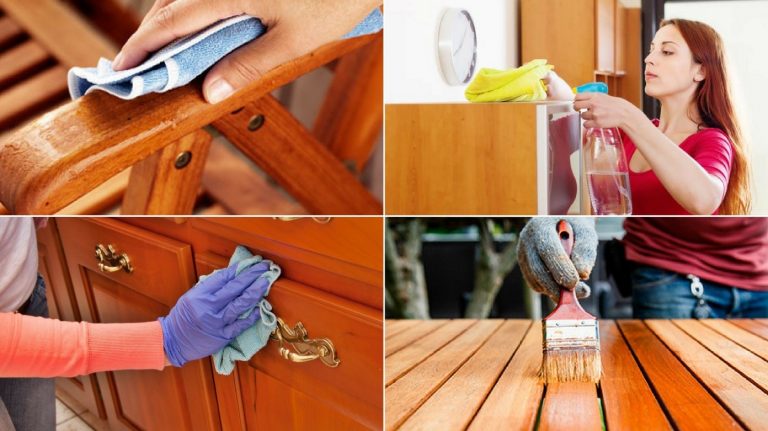
Wooden furniture brings warmth, durability, and timeless appeal to any living space. Whether it is a dining table, wardrobe, bed frame, or cabinet, proper care ensures that wooden furniture retains its strength and appearance for decades. With consistent maintenance and simple preventive habits, homeowners can protect their investment and extend the lifespan of every piece.
Understanding how wood reacts to moisture, sunlight, temperature, and daily use helps maintain both its structure and finish over time.
Why Proper Wooden Furniture Care Matters
Wood is a natural material that responds to environmental changes. Without regular care, it may lose shine, develop cracks, or warp. Proper maintenance protects its surface and preserves its strength.
Benefits of maintaining wooden furniture include:
- Increased durability and structural stability
- Preservation of natural grain texture
- Prevention of moisture damage
- Reduced repair and replacement costs
- Improved appearance over time
Consistent care also helps maintain resale value and enhances the overall look of interior spaces.
Daily Cleaning Practices That Protect Wooden Furniture
Daily cleaning plays a key role in preventing surface wear. Dust particles may appear harmless, but over time they can scratch the finish.
Follow these cleaning habits regularly:
- Use a soft microfiber cloth for dust removal
- Wipe surfaces in the direction of the wood grain
- Avoid excessive water while cleaning
- Clean spills immediately to prevent staining
- Keep furniture surfaces dry after wiping
Routine cleaning prevents long-term surface deterioration.
Protecting Wooden Furniture from Moisture Damage
Moisture is one of the most common causes of wood damage. It can lead to swelling, discoloration, and weakening of joints.
Practical moisture protection tips include:
- Avoid placing furniture near damp walls
- Use coasters under glasses and cups
- Keep furniture away from bathrooms or kitchens when possible
- Maintain indoor humidity at moderate levels
- Dry wet surfaces immediately
Proper moisture control helps preserve both finish and structure.
Preventing Sunlight and Heat Exposure
Direct sunlight can fade wooden surfaces and weaken finishes over time. Heat exposure may also cause cracking or warping.
To protect furniture from environmental stress:
- Position furniture away from direct window exposure
- Use curtains or blinds during peak sunlight hours
- Avoid placing wooden items near heaters
- Rotate decorative pieces occasionally to ensure even exposure
These adjustments help maintain consistent color and finish.
Choosing the Right Cleaning Products
Selecting suitable cleaning products is essential to preserve wooden surfaces.
Recommended options include:
- Mild soap diluted in water for occasional deep cleaning
- Natural wood polish for shine enhancement
- Beeswax-based conditioners for nourishment
- Dry cloth polishing for routine maintenance
Avoid harsh chemicals that may damage protective coatings or natural grain texture.
Using Protective Accessories for Long-Term Care
Protective accessories reduce wear caused by daily use.
Useful protective solutions include:
- Table mats for dining surfaces
- Felt pads under furniture legs
- Coasters for beverages
- Protective covers during relocation
- Runners for frequently used surfaces
These small additions significantly reduce scratches and pressure marks.
Polishing and Conditioning Wooden Surfaces
Polishing restores shine and strengthens protective layers. Conditioning helps prevent dryness and cracking.
Effective polishing practices include:
- Apply polish only when surfaces appear dull
- Use a soft cloth for even application
- Avoid over-polishing which may create buildup
- Select polish suited to the furniture finish type
Regular conditioning maintains flexibility and visual richness of wood.
Preventing Scratches and Surface Damage
Wooden furniture surfaces are vulnerable to daily friction and impact.
Reduce surface damage by:
- Avoid dragging heavy objects across surfaces
- Lift items instead of sliding them
- Keep sharp objects away from polished areas
- Use protective padding under decorative items
- Keep pets from scratching exposed edges
These habits help maintain smooth surfaces for years.
Maintaining Structural Strength Over Time
Long-term durability depends not only on surface care but also on maintaining the internal structure of furniture.
Support structural stability through:
- Tightening screws and joints periodically
- Avoiding excessive weight on shelves
- Inspecting legs and frames regularly
- Keeping furniture level on the floor surface
- Repairing loose fittings early
Early attention prevents costly repairs later.
Seasonal Care Tips for Wooden Furniture
Seasonal changes affect wood differently depending on humidity and temperature.
Helpful seasonal practices include:
- Use humidifiers during dry winter months
- Improve ventilation during humid seasons
- Reapply protective polish annually
- Check joints after seasonal temperature shifts
- Adjust furniture placement if sunlight patterns change
Seasonal awareness ensures consistent protection throughout the year.
Frequently Asked Questions
How often should wooden furniture be polished for long-term care
Most wooden furniture benefits from polishing two to four times per year depending on usage and exposure conditions.
Can wooden furniture be cleaned using vinegar solutions
Vinegar solutions may be used in very diluted form occasionally, but frequent use can weaken protective finishes over time.
Is it safe to place hot dishes directly on wooden tables
Placing hot dishes directly on wooden surfaces can damage the finish and cause discoloration, so heat-resistant mats are recommended.
Does indoor humidity affect wooden furniture durability
Yes. Excess humidity can cause swelling while very dry air may lead to cracking, making balanced indoor conditions important.
Should wooden furniture be moved occasionally within a room
Occasional repositioning helps prevent uneven sunlight exposure and reduces long-term color variation on surfaces.
Can minor scratches on wooden furniture be repaired at home
Light scratches can often be minimized using matching polish, wax conditioners, or touch-up markers designed for wood finishes.
What is the best placement for wooden furniture in a living space
Furniture should be placed away from direct sunlight, moisture-prone areas, and heat sources to maintain its structure and finish for longer periods.

Comments are closed.