

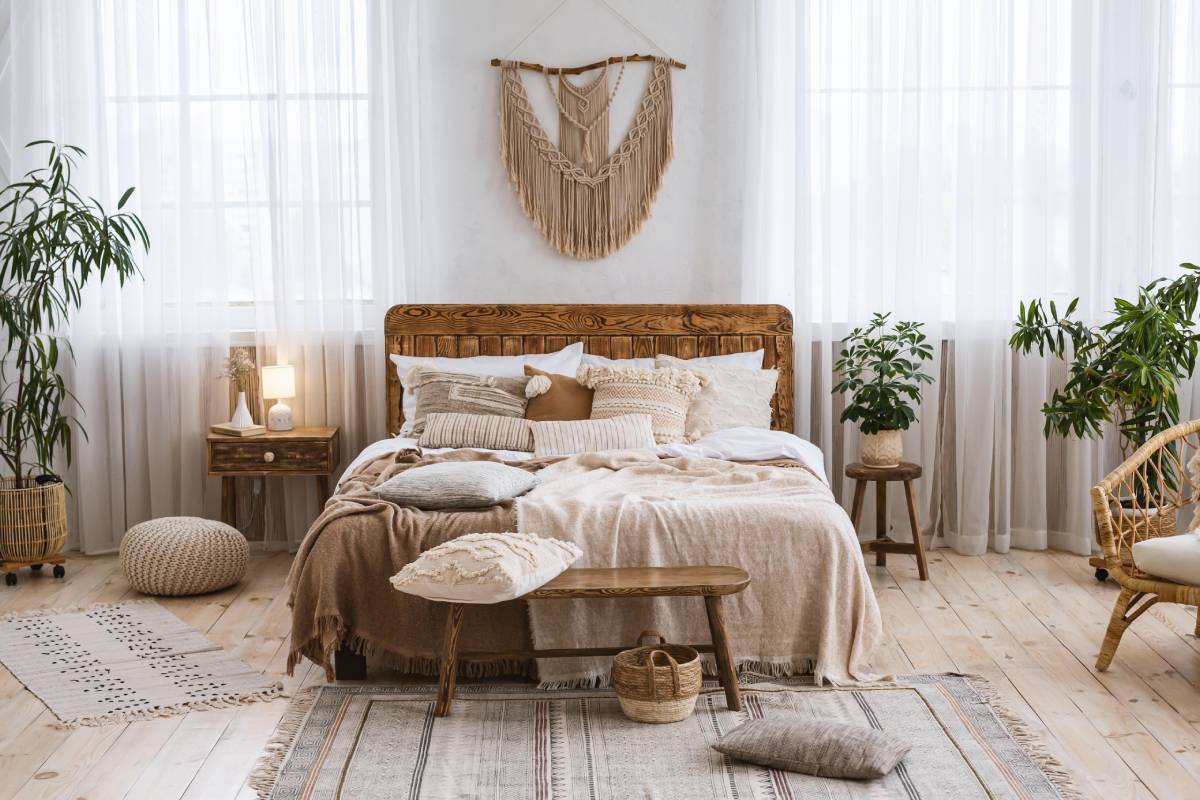
Choosing the right flooring is one of the most important decisions in interior styling. Floors anchor a space visually and influence how furniture, wall colors, lighting, and textures work together. When flooring aligns with décor, the entire room feels harmonious rather than assembled piece by piece.
This guide explains how to coordinate flooring with décor thoughtfully, whether you are designing a new home or updating an existing space.
Start With the Overall Style of the Room
Before selecting flooring material or color, identify the décor style you want the room to express. Flooring should support that visual language rather than compete with it.
Common pairings include:
Modern interiors
- Light oak or matte-finish engineered wood
- Polished concrete
- Large-format neutral tiles
Traditional interiors
- Dark hardwood flooring
- Walnut or teak tones
- Patterned stone tiles
Scandinavian interiors
- Pale wood flooring
- Whitewashed finishes
- Minimal texture
Rustic interiors
- Distressed wood
- Wide plank flooring
- Natural stone
When the flooring aligns with the room’s personality, the space automatically feels more cohesive.
Coordinate Flooring Color With Wall Shades
Wall color and flooring should complement each other rather than blend into a single flat tone.
Use these combinations as guidance:
Light flooring works best with
- Soft white walls
- Pastel shades
- Neutral greys
- Scandinavian palettes
Medium-tone flooring pairs well with
- Warm beige walls
- Muted greens
- Terracotta accents
Dark flooring suits
- Cream walls
- Light grey walls
- Warm metallic décor accents
Contrast between floor and wall colors creates depth and prevents the room from appearing visually heavy.
Match Flooring With Furniture Tones
Furniture occupies a large portion of visual space, so flooring should either harmonize with it or intentionally contrast in a balanced way.
Helpful coordination strategies include:
If furniture is dark
- Choose mid-tone flooring
- Avoid very dark floors that reduce contrast
If furniture is light
- Select medium or dark flooring
- Add rugs to connect tones visually
If furniture is mixed
- Choose neutral flooring such as oak, grey tile, or beige stone
Consistency across undertones is more important than exact color matching.
Consider Texture Along With Color
Texture influences how a room feels just as much as color does. Smooth, glossy flooring creates a formal impression, while matte and textured finishes create warmth and comfort.
Examples of texture coordination:
Glossy tiles
- Pair well with sleek furniture
- Suit modern and luxury interiors
Matte wood flooring
- Works well in family homes
- Supports cozy aesthetics
Natural stone
- Enhances rustic or Mediterranean décor
Choosing the right texture ensures flooring contributes to the intended atmosphere.
Balance Flooring Patterns With Decor Elements
Busy flooring patterns can overwhelm a space if other elements already contain strong visual interest.
Follow these practical guidelines:
- Use simple flooring if wallpaper is patterned
- Choose patterned tiles when furniture is minimal
- Avoid combining multiple competing floor designs in adjacent rooms
Pattern balance helps maintain visual clarity across spaces.
Match Flooring Material to Room Function
Different rooms benefit from different flooring materials based on how they are used.
Common recommendations include:
Living rooms
- Hardwood
- Engineered wood
- Large-format tiles
Bedrooms
- Warm wood flooring
- Carpet
- Vinyl planks
Kitchens
- Porcelain tiles
- Waterproof vinyl
Bathrooms
- Anti-slip tiles
- Natural stone
Selecting flooring suited to function improves both comfort and durability.
Use Rugs to Bridge Flooring and Decor
Area rugs help connect furniture and flooring visually, especially when tones differ slightly.
Effective rug strategies include:
- Layer rugs over dark flooring to brighten spaces
- Use patterned rugs to soften minimal interiors
- Select rugs that include both flooring and furniture colors
Rugs act as transition elements that unify the room’s design palette.
Maintain Consistency Across Connected Spaces
Open-plan layouts require flooring continuity to avoid visual fragmentation.
To maintain flow:
- Use the same flooring across adjoining rooms
- Keep tones within one color family
- Avoid abrupt transitions between materials
A continuous flooring approach makes interiors appear larger and more polished.
Factor Lighting Into Flooring Decisions
Lighting changes how flooring appears throughout the day.
Important considerations include:
Rooms with limited natural light
- Choose lighter flooring
- Avoid heavy dark finishes
Rooms with strong sunlight
- Medium tones reduce glare
- Matte finishes work best
Artificial lighting also affects undertones, so always review flooring samples inside the space before finalizing choices.
FAQs
How do I match flooring with multiple furniture colors in one room
Choose neutral flooring such as oak, beige tile, or grey vinyl that complements all tones without competing with them.
Should flooring match doors and trim
Matching undertones is more important than matching exact colors. Warm flooring pairs best with warm wood trims and vice versa.
Can I mix different flooring types in one home
Yes, but transitions should feel intentional. Use similar tones or separators like thresholds between materials.
What flooring works best for small rooms
Light-colored flooring reflects more light and makes compact spaces feel larger.
Is glossy flooring suitable for family homes
Glossy flooring looks elegant but may show scratches more easily. Matte finishes are usually more practical for daily use.
How do I coordinate flooring with patterned upholstery
Choose flooring in a solid neutral tone so the upholstery remains the focal point of the room.
Should flooring be the same throughout the entire house
Consistency helps create visual flow, but bedrooms and bathrooms can use different materials suited to comfort and moisture needs.

Comments are closed.