

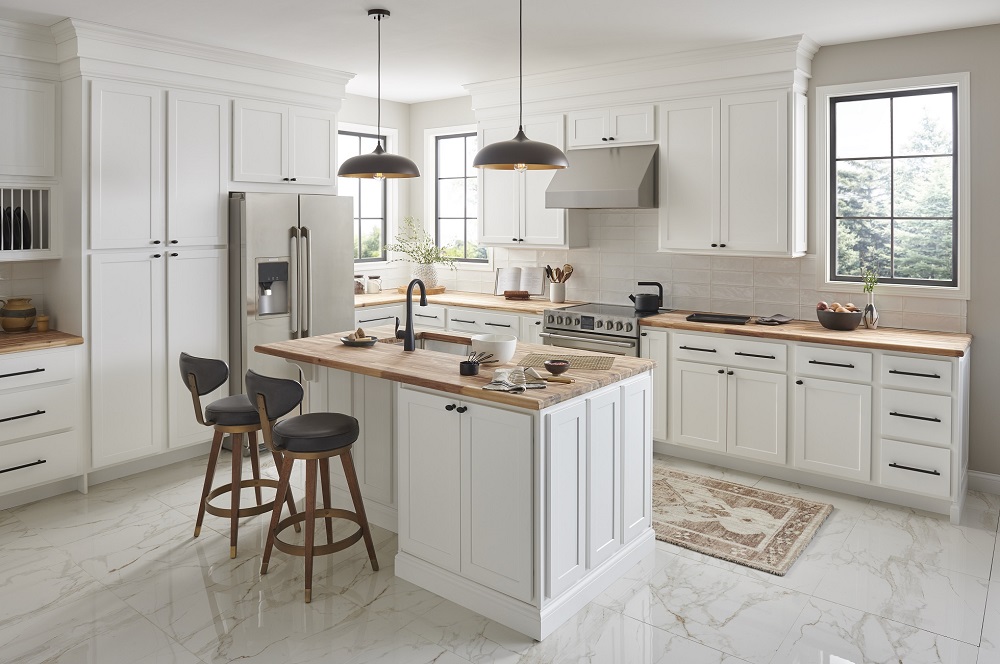
Kitchen cabinets are one of the most important elements of a functional and visually balanced kitchen. They influence storage capacity, workflow efficiency, maintenance effort, and long-term durability. Choosing cabinets thoughtfully helps avoid costly replacements and ensures your kitchen remains practical and attractive for years.
This guide explains how to evaluate cabinet materials, layouts, finishes, storage features, and budget considerations before making a decision.
Understand Your Kitchen Layout Before Selecting Cabinets
The layout determines how cabinets function within your kitchen. Selecting cabinets without considering movement flow often results in wasted space or inconvenient storage access.
Common layout styles include:
- L shaped layouts that maximize corner efficiency
- U shaped layouts that provide extensive storage
- Parallel layouts suitable for compact homes
- Straight layouts ideal for smaller kitchens
Choose cabinet placement that supports smooth movement between cooking, cleaning, and storage zones.
Choose the Right Cabinet Material for Durability
Cabinet material directly affects lifespan, appearance, and maintenance needs.
Popular cabinet material options include:
Solid wood
- Long lasting and strong
- Offers natural texture and warmth
- Requires moderate maintenance
Plywood
- Resistant to moisture damage
- Structurally stable
- Ideal for humid environments
Medium density fiberboard
- Smooth surface for painted finishes
- Budget friendly option
- Less resistant to heavy loads
Particle board
- Economical choice
- Suitable for lightweight storage
- Lower durability compared to plywood
Selecting moisture resistant materials is especially important for kitchens with frequent cooking activity.
Select Functional Cabinet Storage Features
Efficient storage features improve accessibility and reduce clutter inside cabinets.
Consider integrating:
- Pull out trays for easier access
- Corner carousel units for unused corners
- Deep drawers for cookware storage
- Tall pantry cabinets for dry goods
- Vertical dividers for trays and boards
Well planned storage reduces time spent searching for kitchen essentials.
Decide Between Modular and Custom Cabinets
Both cabinet types serve different needs depending on budget and space flexibility.
Modular cabinets
- Faster installation process
- Available in standardized sizes
- Cost effective for most households
Custom cabinets
- Designed specifically for your kitchen dimensions
- Offer personalized storage solutions
- Allow unique finishes and configurations
Choose based on your kitchen size, timeline, and budget flexibility.
Pick Cabinet Finishes That Suit Daily Use
Cabinet finishes affect appearance as well as maintenance requirements.
Common finish options include:
Matte finish
- Hides fingerprints effectively
- Creates a calm visual effect
- Suitable for modern kitchens
Gloss finish
- Reflects light and brightens space
- Enhances smaller kitchens visually
- Requires regular cleaning
Laminate finish
- Durable and scratch resistant
- Available in multiple colors
- Easy to maintain
Natural wood finish
- Timeless appearance
- Adds warmth to interiors
- Requires periodic care
Select finishes based on usage habits and cleaning preferences.
Choose Cabinet Colors That Complement the Kitchen Space
Cabinet color plays a major role in how spacious or compact a kitchen feels.
Recommended approaches include:
- Light colors for small kitchens to create openness
- Neutral shades for long term style flexibility
- Dark tones for large kitchens with strong lighting
- Two tone combinations for visual balance
Avoid overly trendy colors that may feel outdated quickly.
Evaluate Hardware Quality Carefully
Cabinet performance depends heavily on hinges, handles, and drawer channels.
Look for:
- Soft close hinges for smooth operation
- Rust resistant materials
- Strong drawer runners
- Comfortable handle grip design
High quality hardware improves cabinet longevity significantly.
Plan Storage Based on Cooking Habits
Every household uses kitchens differently. Storage planning should match daily routines.
Examples include:
- Extra spice storage for frequent cooking
- Tall cabinets for bulk grocery storage
- Drawer organizers for utensils
- Appliance cabinets for small machines
Customized storage ensures better usability.
Set a Realistic Cabinet Budget
Cabinet costs vary depending on materials, finishes, hardware quality, and customization level.
Budget planning should include:
- Material selection cost
- Installation charges
- Hardware upgrades
- Future maintenance needs
Investing in durable cabinets reduces long term expenses.
Frequently Asked Questions
How long do kitchen cabinets typically last
High quality kitchen cabinets usually last between fifteen and twenty years depending on material quality and maintenance.
Are handleless cabinets practical for everyday kitchens
Handleless cabinets create a clean appearance but require regular cleaning because fingerprints are more visible.
Which cabinet depth works best for base cabinets
Standard base cabinet depth around sixty centimeters provides comfortable workspace access and storage balance.
Should upper cabinets reach the ceiling
Ceiling height cabinets maximize storage and prevent dust accumulation on top surfaces.
Are open shelves better than closed cabinets
Open shelves improve accessibility and display opportunities but closed cabinets protect items from dust and grease.
How can cabinet lighting improve functionality
Interior cabinet lighting improves visibility inside deep storage areas and enhances kitchen usability during evening hours.
Is it necessary to match cabinet color with countertop material
Matching is not required but coordinating tones between cabinets and countertops creates a more cohesive kitchen appearance.

Comments are closed.