

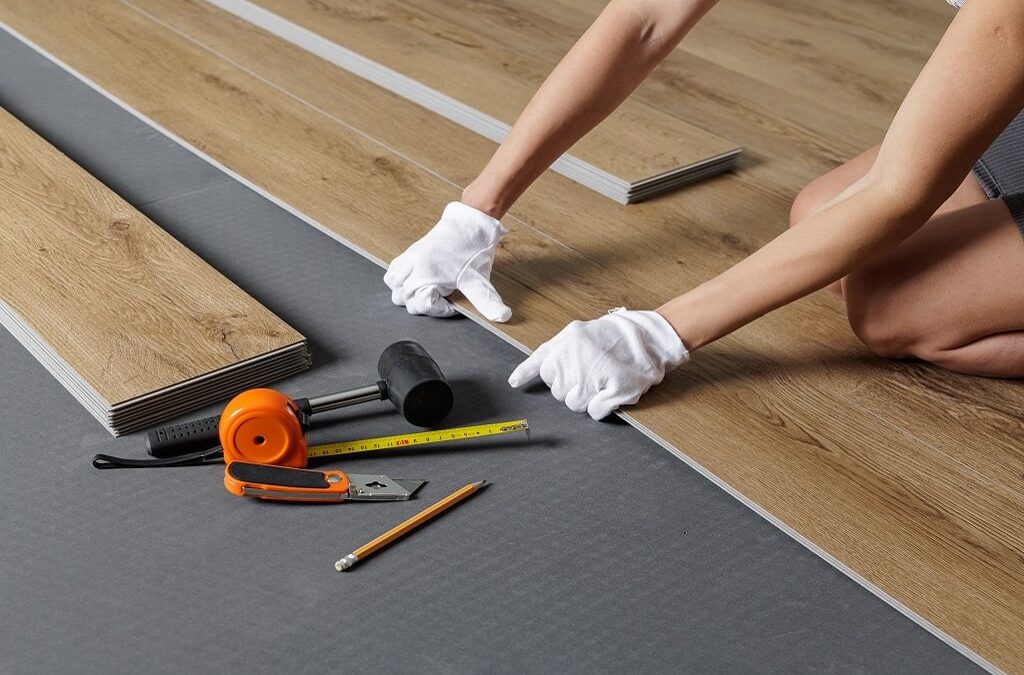
Installing flooring correctly is the difference between a surface that looks good for a few months and one that performs beautifully for decades. Whether working with hardwood, laminate, tile, or vinyl, the right preparation, tools, and techniques significantly influence durability and appearance.
This guide explains essential flooring installation tips that help prevent common problems such as warping, uneven surfaces, squeaks, and premature wear.
Plan the Installation Before Starting
Proper planning prevents costly mistakes and wasted materials.
Before installing flooring:
- Measure the room carefully, including closets and corners
- Add 5 to 10 percent extra material for cutting and waste
- Check manufacturer instructions for installation requirements
- Identify the direction of plank or tile placement
- Allow flooring materials to acclimate to room temperature for 24 to 72 hours
Planning improves efficiency and ensures a professional finish.
Prepare the Subfloor Thoroughly
The condition of the subfloor directly affects the lifespan of flooring.
A clean and level surface prevents shifting and cracking.
Important preparation steps include:
- Removing dust, debris, nails, or adhesive residue
- Repairing cracks or holes
- Ensuring moisture levels meet manufacturer recommendations
- Checking for uneven surfaces and correcting them with leveling compound
Skipping subfloor preparation is one of the most common causes of flooring failure.
Choose the Right Underlayment
Underlayment improves comfort, sound absorption, and moisture protection.
Different flooring types require specific underlayment materials:
- Foam underlayment for laminate flooring
- Cork underlayment for sound reduction
- Rubber underlayment for durability
- Moisture barrier underlayment for basements and ground floors
Using the correct underlayment enhances structural performance and comfort.
Maintain Proper Expansion Gaps
Flooring materials expand and contract due to temperature and humidity changes.
Always leave expansion gaps along walls and fixed surfaces. These gaps:
- Prevent buckling
- Reduce pressure on joints
- Improve long term stability
Most installations require a gap between 8 mm and 12 mm depending on flooring type.
Baseboards or trim pieces later conceal these gaps for a clean appearance.
Use the Right Tools for Accurate Installation
Correct tools ensure precision and reduce installation errors.
Essential tools include:
- Measuring tape
- Chalk line
- Rubber mallet
- Spacers
- Pull bar
- Utility knife or flooring cutter
- Level
High quality tools help achieve tighter joints and smoother alignment.
Follow the Recommended Installation Pattern
Installation direction influences both aesthetics and structural stability.
Best practices include:
- Installing planks parallel to the longest wall
- Aligning flooring with natural light direction where possible
- Staggering joints for strength and visual appeal
- Avoiding repeating seam patterns
A consistent layout improves both durability and appearance.
Control Moisture Levels During Installation
Moisture is one of the biggest threats to flooring longevity.
To minimize moisture related issues:
- Test subfloor moisture content before installation
- Avoid installing during extremely humid conditions
- Use vapor barriers when necessary
- Maintain indoor humidity between 35 percent and 55 percent
Stable moisture conditions prevent swelling and warping.
Secure Edges and Transition Areas Properly
Transition strips and edge trims protect flooring from movement and damage.
Pay special attention to:
- Doorways
- Stair edges
- Room transitions
- Threshold areas
These finishing components enhance both safety and structural stability.
Allow Adequate Settling Time After Installation
Avoid placing heavy furniture immediately after installation.
Recommended waiting periods:
- 24 hours for laminate flooring
- 48 hours for vinyl flooring
- Up to 72 hours for glued flooring types
This helps adhesives cure properly and prevents shifting.
Perform Post Installation Inspection
Final inspection ensures the floor performs as expected.
Check for:
- Loose planks
- Uneven joints
- Hollow sounds
- Adhesive residue
- Visible alignment issues
Correcting minor issues immediately prevents long term damage.
Frequently Asked Questions
How long should flooring acclimate before installation
Most flooring materials require acclimation between 24 and 72 hours depending on material type and room conditions.
Can flooring be installed over existing flooring
Yes in some cases such as laminate or vinyl over tile, but the surface must be level, clean, and structurally sound.
What temperature is ideal for flooring installation
Indoor temperatures between 18 and 27 degrees Celsius are generally recommended for stable installation conditions.
Is professional installation always necessary
Many flooring types support DIY installation, but complex layouts or moisture sensitive materials benefit from professional handling.
How do I prevent squeaky floors after installation
Ensure the subfloor is level and securely fastened before installation to eliminate movement between layers.
What direction should flooring planks run
Planks usually run parallel to the longest wall or toward the primary light source for the best visual effect.
How soon can furniture be placed after installation
Light furniture can typically be placed after 24 hours, while heavier items should wait 48 to 72 hours depending on flooring type.

Comments are closed.